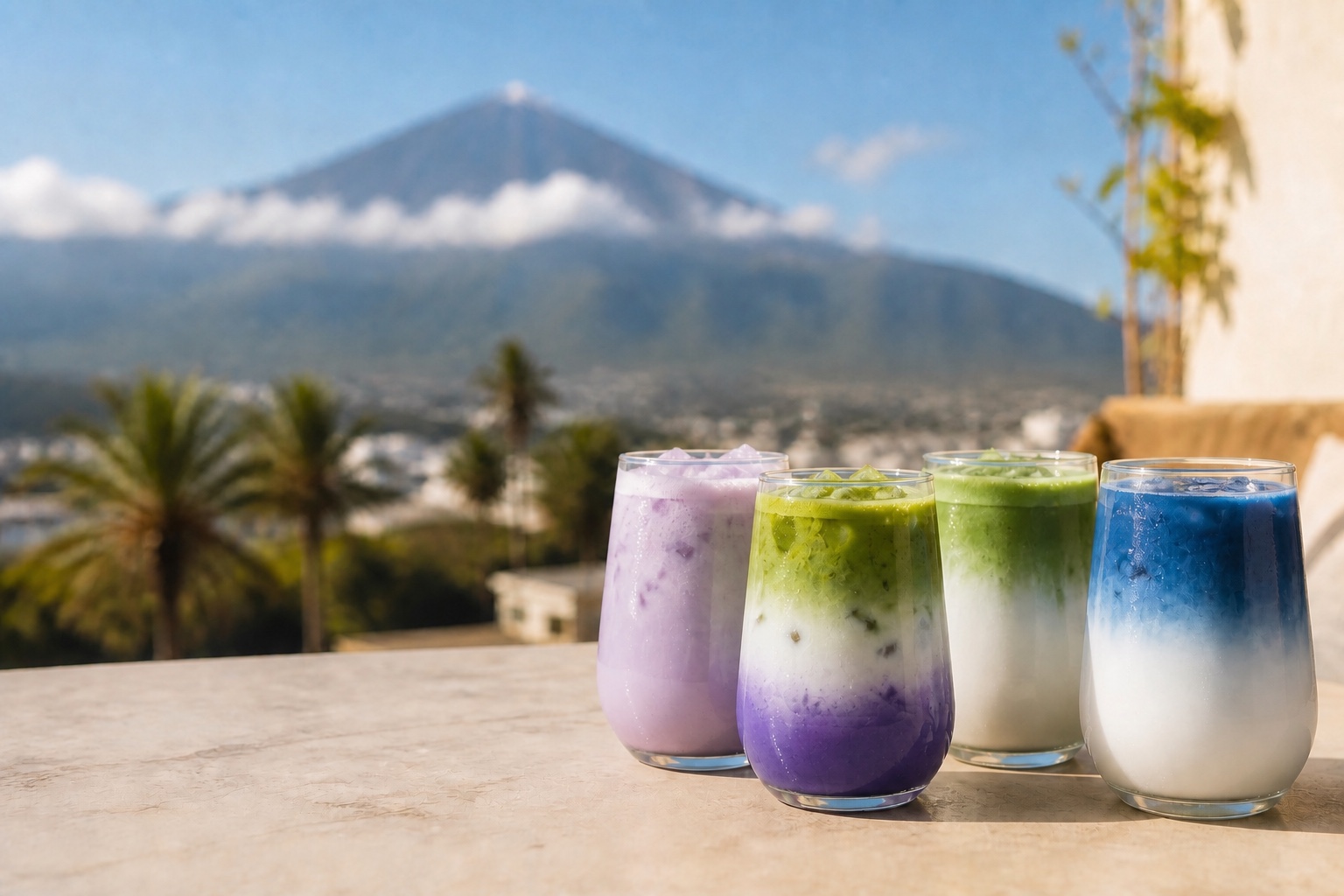
The matcha boom is measurable
Japan's Ministry of Agriculture reported green tea exports worth 36.4 billion yen in 2024, up 24.6% year on year. It also noted growing demand for powdered tea, including matcha, and particular interest in organic tea in Europe and the United States.
Matcha fitted several habits at once: specialty cafés, iced drinks, plant-based recipes and visual content. Growth also raised expectations around quality, provenance and preparation.
Ube is not “the new matcha”
Both have visual impact, but they are different ingredients. Ube is a yam deeply rooted in Filipino cooking and is naturally caffeine-free. Its mellow taste works in drinks, ice cream and baking. Large chains have now adopted it, but Filipino homes and businesses built its identity long before that.
What potential does it have in Europe?
We see a clear opportunity, not an automatic guarantee. Ube stands out on a menu, pairs with familiar flavours and supports caffeine-free recipes. To last beyond a trend, it needs a good product, honest provenance, a repeatable recipe and workable margins.
What cafés can learn
- Do not add a trend for colour alone.
- Test flavour, texture, service time and cost per drink.
- Explain the origin without turning it into an empty slogan.
- Start with one clear recipe and measure real demand.